

Blog
Helping Somali Parents Support Their Children’s Education

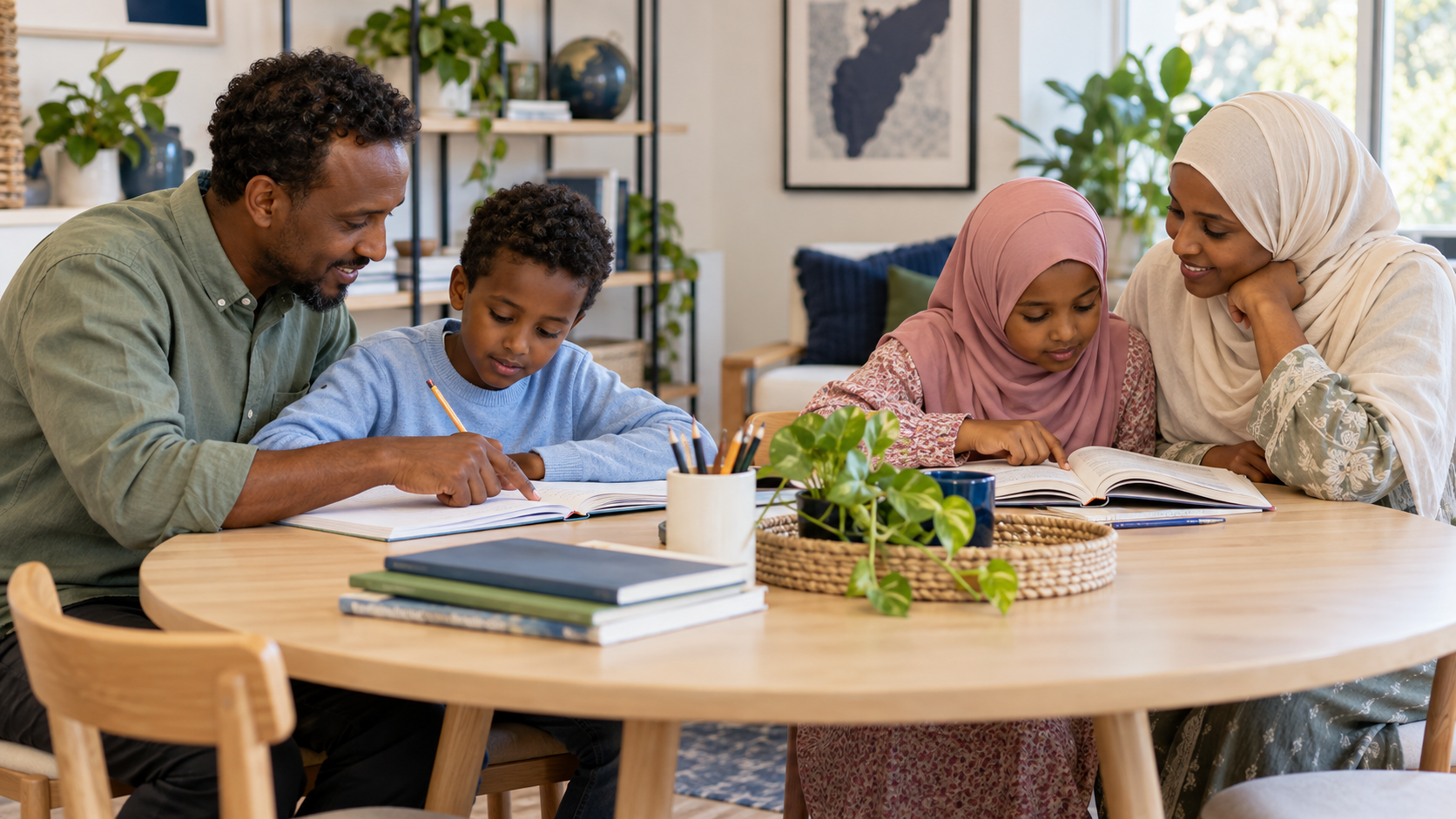
Parents play an important role in helping children develop a love of learning. Everyday encouragement, conversations and shared routines can make a meaningful difference to how children approach school. For Somali families, supporting education can also mean navigating unfamiliar systems while helping children maintain a strong connection to their language, culture and identity.
Being involved does not mean knowing every answer or speaking perfect English. A parent who asks about the school day, listens to a concern or celebrates an achievement is already showing that education matters. These simple actions help children understand that their efforts are valued and that they have someone to turn to when learning feels difficult.
A useful starting point is creating regular opportunities to talk. Instead of asking only whether school was good, parents can ask what their child enjoyed, what they found challenging or something new they discovered. Giving children time to explain, without immediately correcting them, can help parents understand both their progress and their feelings about school.
A manageable routine at home can also support learning. This might include a short period for reading, time to complete homework and preparing school items for the following morning. The routine should fit the family’s circumstances. Consistency matters more than creating a perfect study space or expecting children to work for long periods without a break.
Reading together is a valuable way to share that time. Families can explore English books, Somali stories or materials in both languages. Parents can ask children to describe pictures, explain a character’s choices or predict what happens next. Sharing spoken stories also encourages conversation and gives children opportunities to connect learning with family experiences and cultural knowledge.
Building a positive relationship with school helps parents stay informed. Attending meetings where possible, reading school messages and asking questions can clarify expectations. If communication is difficult, parents can ask whether translated information or an interpreter is available. It is reasonable to request a clearer explanation of unfamiliar terms, homework instructions or a child’s progress.
When a child struggles, early conversations can help identify a useful next step. Difficulties might involve understanding instructions, managing friendships, completing tasks or adjusting to a new classroom. Parents can describe what they notice at home and ask teachers what they observe at school. Together, they can discuss suitable support without rushing to assumptions about the cause.
Encouragement should recognise effort, improvement and curiosity alongside results. Children benefit from hearing that asking questions and making mistakes are normal parts of learning. Comparing siblings or classmates can overlook different strengths and starting points. Helping each child notice their own progress gives them a more personal and achievable sense of success.
Supporting Somali parents means recognising the care, experience and ambition they already bring to their children’s lives. Clear communication and respectful partnerships can help turn those strengths into practical educational support. When home and school work together, children are more likely to feel understood and encouraged. A brighter future grows through these everyday relationships, one conversation, shared story and small achievement at a time.