
Blog
Empowering the Somali Community Through Education

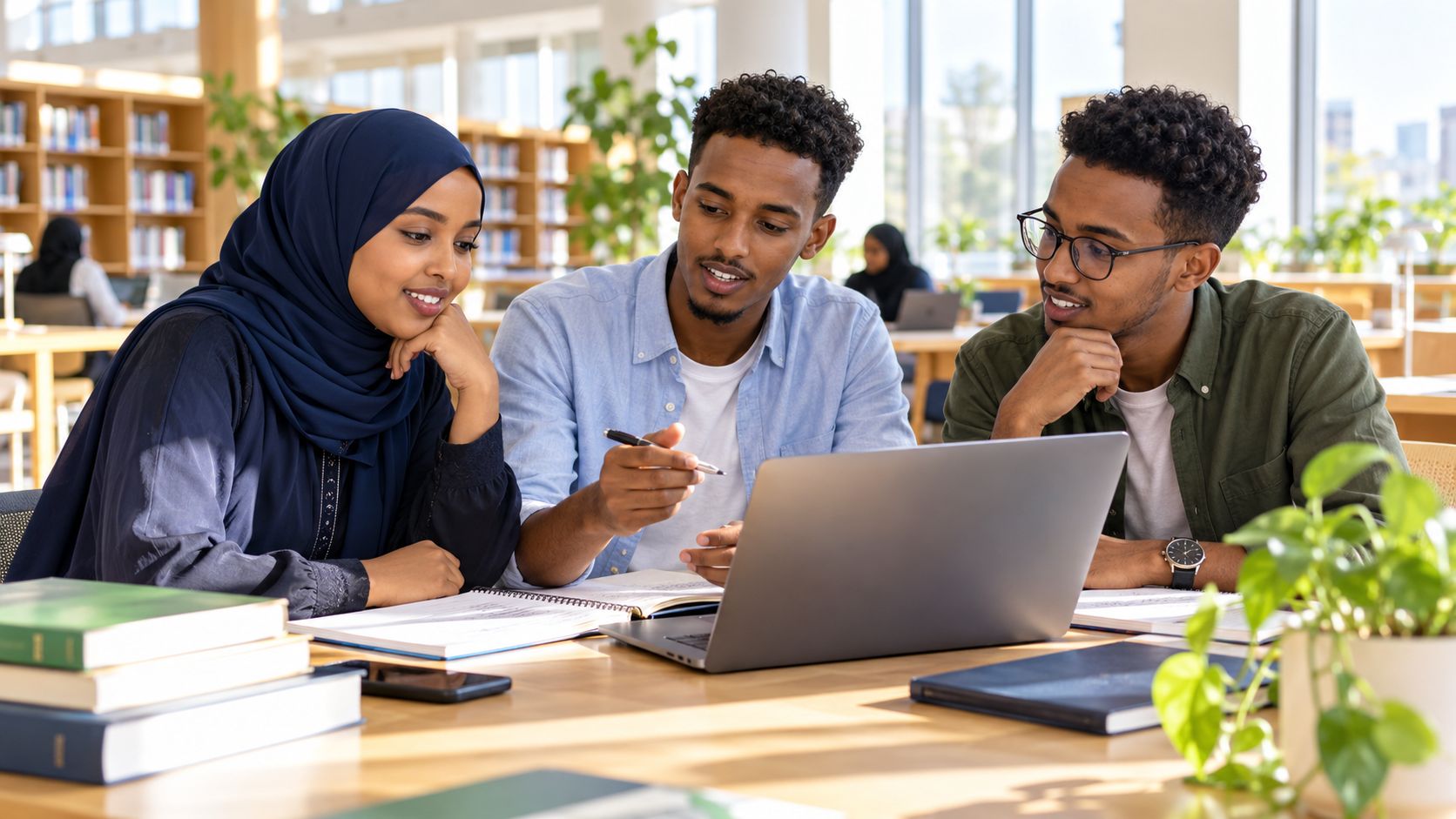
Education gives people the knowledge, confidence and practical skills to shape their lives. For the Somali community, it can also strengthen connections between generations, support families and create opportunities for the future. Every learner deserves encouragement, whether they are a child starting school, a young person choosing a career or an adult returning to education.
The Somali community includes people with different experiences, ambitions and educational backgrounds. Some learners have grown up within their local school system, while others are adjusting to a new country or language. Recognising these differences helps create an approach to education that respects each individual and gives them space to progress at their own pace.
For children, a strong educational foundation begins with feeling safe, included and understood. Reading, writing and mathematics are essential, but confidence matters too. When children feel comfortable asking questions and making mistakes, they are better able to participate. Encouragement from teachers, parents and community members can help them develop a positive relationship with learning.
Parents and carers are important partners in this process. However, unfamiliar school systems, language barriers or unclear communication can make involvement difficult. Clear explanations, welcoming conversations and accessible information can help families understand homework, school expectations and their children’s progress. Supporting parents strengthens the connection between home and school and helps children receive more consistent encouragement.
Young people also need opportunities to explore what comes next. Their ambitions may include university, vocational training, apprenticeships, business ownership or creative work. Access to practical guidance and positive role models can help them understand different pathways. Success should allow room for different talents, rather than expecting every learner to follow the same route.
Adult education deserves equal attention. Learning English, improving digital skills or developing professional knowledge can help adults participate more confidently in everyday life. For someone balancing employment, childcare and other responsibilities, returning to learning may feel challenging. A welcoming environment, manageable learning goals and patient support can make that first step feel more achievable.
Education can also provide space to celebrate Somali language, culture and identity. Learning new skills does not require leaving cultural heritage behind. Families can encourage children to communicate confidently in English while maintaining meaningful connections with Somali language and traditions. This approach allows learners to appreciate their background while participating fully in the wider society around them.
Community participation makes these efforts stronger. A volunteer who helps with reading, a professional who shares career advice or a parent who encourages another family can make a valuable contribution. Progress often grows through small, consistent actions. Listening to learners and involving them in decisions also helps ensure that educational activities reflect real interests and needs.
Empowering the Somali community through education means recognising potential at every age. It means making room for questions, respecting different starting points and celebrating effort alongside achievement. When families, educators and community members work together, learning becomes a shared source of possibility. Each person who gains confidence and knowledge is better equipped to pursue their ambitions and contribute to the people around them.