
Blog
Building Brighter Futures for Somali Learners

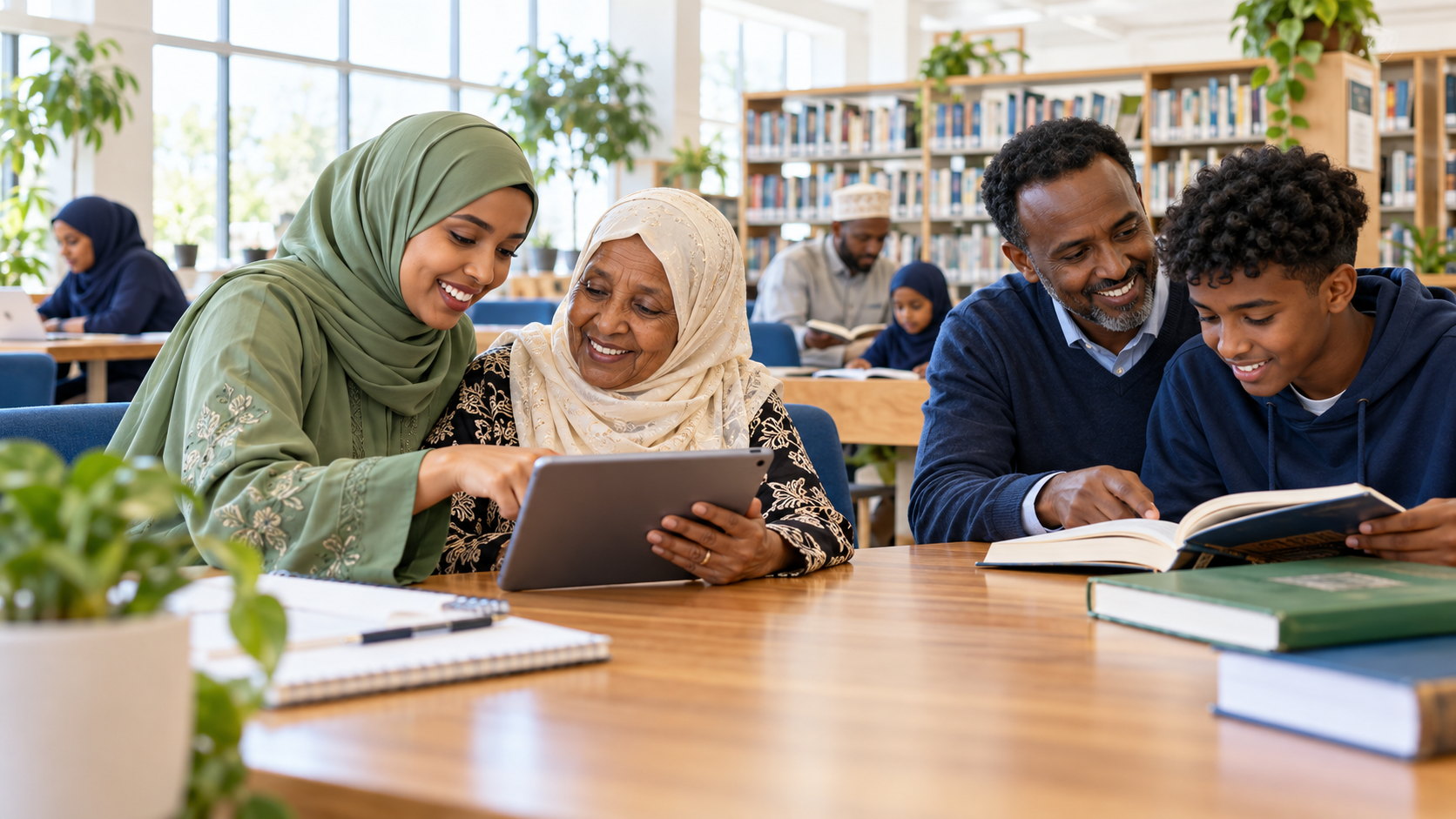
A brighter future begins when a learner can see possibilities ahead and feels supported in working towards them. For Somali learners, education can open pathways into further study, meaningful employment, entrepreneurship and community leadership. Building those pathways requires more than encouragement alone. It requires clear information, practical support and recognition of each person’s individual strengths.
No two learners begin from exactly the same place. One student may excel in mathematics but need help expressing ideas in English. Another may be a confident communicator who struggles with organisation or exam preparation. Understanding these differences allows families and educators to offer focused support without defining a learner only by the areas they find difficult.
Strong study habits can make educational goals more manageable. Setting aside regular time for reading, breaking assignments into smaller tasks and asking for help early can support steady progress. Families can encourage these habits through everyday conversations about learning. Showing interest in a child’s effort can be just as valuable as celebrating a high mark.
Confidence also grows when learners are given opportunities to use their strengths. Group projects, presentations, creative activities and practical problem solving allow different abilities to emerge. A student who feels uncertain in one subject may discover confidence through another. Recognising these successes helps young people develop a fuller understanding of what they can offer.
For learners approaching important transitions, clear guidance is especially valuable. Choosing subjects, applying for college or considering university can raise unfamiliar questions. Apprenticeships and vocational routes also deserve thoughtful consideration. Learners should have opportunities to compare pathways based on their interests, preferred ways of learning and ambitions, with space to reconsider as their understanding develops.
Career preparation should connect education with everyday working life. Writing a CV, preparing for interviews, communicating professionally and understanding workplace expectations are useful skills. Conversations with people working in different fields can help learners ask practical questions. These discussions can also reveal the study, experience and persistence involved in reaching a particular role.
Digital confidence is another part of preparing for the future. Learners may need to research information, complete online applications, create documents and communicate through digital platforms. They also need to question unreliable content and protect personal information. Developing these abilities helps people approach online learning and everyday digital tasks with greater independence and care.
Progress is rarely a straight line. A disappointing result, a rejected application or a period of uncertainty can affect motivation. During these moments, supportive adults and peers can help learners review their options and choose a next step. Making adjustments is a normal part of learning, and asking for support should be treated as a strength.
Building brighter futures for Somali learners means combining ambition with patient, practical action. It means helping individuals identify goals while giving them the tools to move forward. Families, educators and community organisations can all contribute to this work. When learners feel recognised, informed and encouraged, they are better placed to make decisions, develop their abilities and build futures that reflect their own hopes.