
Blog
SUCAL Education: Connecting Somali Communities Through Learning

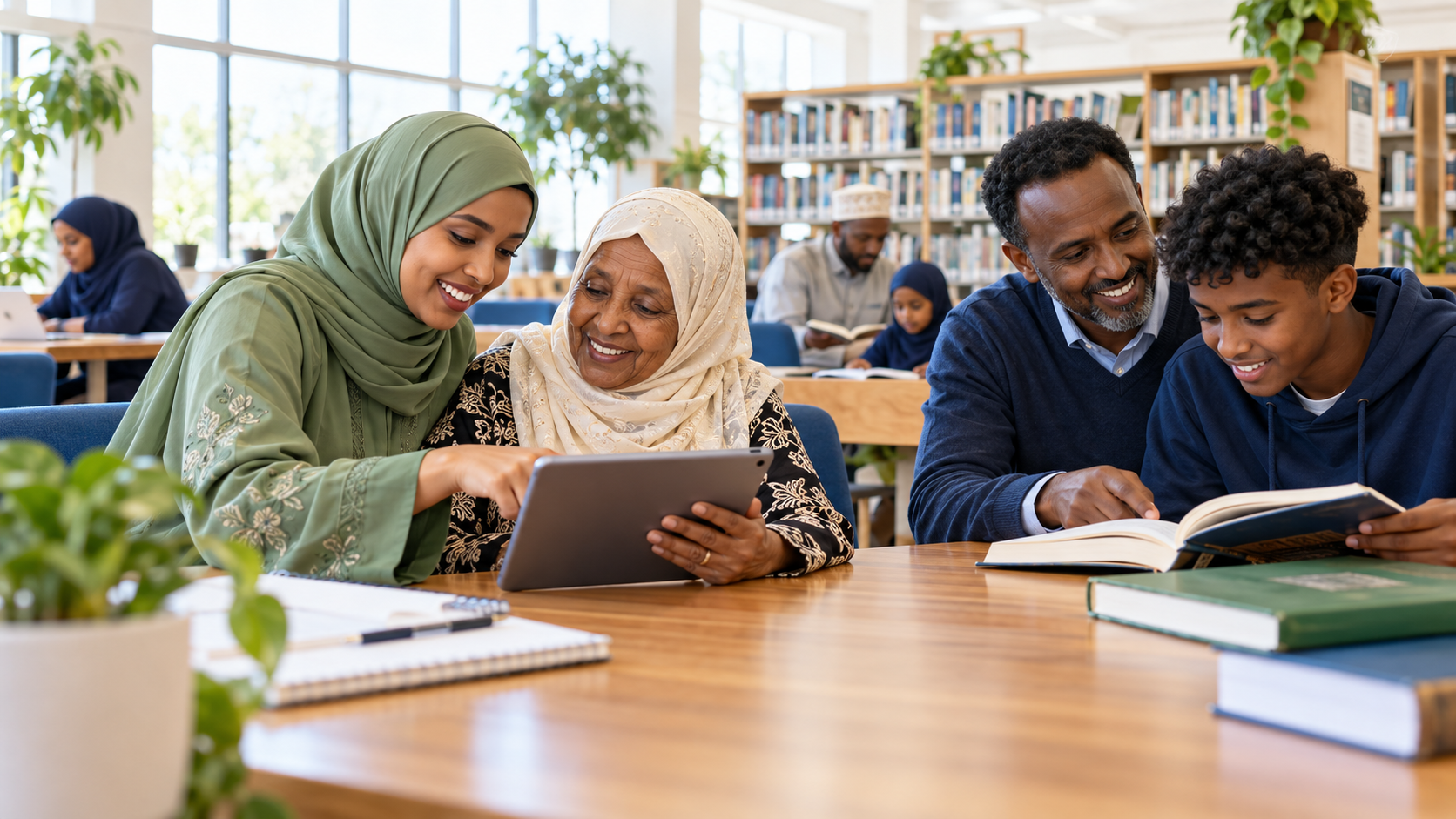
Learning can bring people together across ages, experiences and locations. For SUCAL Education, connecting Somali communities through learning is a meaningful vision: one that places knowledge, belonging and shared progress at the centre. It recognises that education has value for individuals while also creating opportunities for families and communities to grow through cooperation and mutual encouragement.
Within Somali communities, there is a wide range of knowledge to share. Parents bring experience, young people contribute fresh perspectives, and professionals offer insights from their working lives. Elders hold memories, language and cultural understanding. Creating opportunities for these different voices to meet can make learning more relevant, personal and connected to everyday experiences.
Connections between generations are particularly valuable. A young person might help an older relative use a digital device, while that relative shares Somali vocabulary, stories or family history. These exchanges recognise that everyone has something to teach and something to learn. They also create space for conversation, patience and a deeper appreciation of different experiences.
Shared learning can strengthen relationships between families. Parents discussing reading routines, school transitions or ways to encourage children may discover useful ideas and common concerns. A welcoming conversation can make it easier for someone to ask a question they have been holding back. Building trust begins with listening carefully and treating every contribution with respect.
Language can play an important role in these connections. English may support participation in education and working life in English-speaking countries, while Somali helps maintain communication and cultural ties within families. Giving both languages room in community conversations can support understanding. Clear explanations and accessible wording also help people participate, whatever their level of confidence.
Online learning offers another way to connect people who live far apart. Shared discussions, educational resources and opportunities to exchange ideas can bring learners into contact across locations. However, meaningful participation depends on accessibility. Activities should consider different levels of digital experience, available devices and time commitments so that more people can take part comfortably.
A connected learning community should also welcome different interests and ambitions. Some people want academic support, while others are interested in practical skills, creative expression or professional development. Listening to these priorities helps shape relevant discussions and activities. Asking community members what they want to learn gives them a voice in the direction of shared learning.
Partnership and volunteering can support this vision when they respond to clearly understood needs. Educators, families, students and local organisations may each contribute knowledge or time. Clear responsibilities and realistic expectations help maintain trust. Community involvement is most useful when learners know what support is available and feel comfortable offering feedback about their experience.
The vision behind SUCAL Education can be expressed simply: learn together, grow together and create opportunities together. Connecting Somali communities through learning means valuing people as participants, contributors and future leaders. Through respectful dialogue and shared effort, education can become a meeting point between generations and experiences, helping individuals pursue their goals while strengthening their sense of connection to others.